
Information
Consumer Units Buying Guide: Understanding RCBO Layouts, SPD Readiness, Expandability & Labelling Tips
Consumer Units Buying Guide: Understanding RCBO Layouts, SPD Readiness, Expandability & Labelling Tips
Electricians and facilities managers understand that a consumer unit operates as the beating heart powering any electrical system. Upgrading a distribution board means doing much more than meeting basic safety minimums. The ultimate goal involves anticipating future power demands, guaranteeing rapid fault-finding capabilities, and protecting long-term client safety. Trade professionals often ask - "What are the most important features to include inside modern consumer units?" The answer centres around four key pillars: RCBO configurations, Surge Protection Device (SPD) integration, physical enclosure expandability, and meticulous labelling practices.
While traditional split-load boards appear cheaper upfront, installing modern RCBO-led and SPD-ready distribution and control products drastically reduces future maintenance headaches, emergency callbacks, and frustrating nuisance tripping incidents.
Why Are RCBO Layouts Becoming the Ultimate Standard?
The Advantage of Single-Circuit Isolation
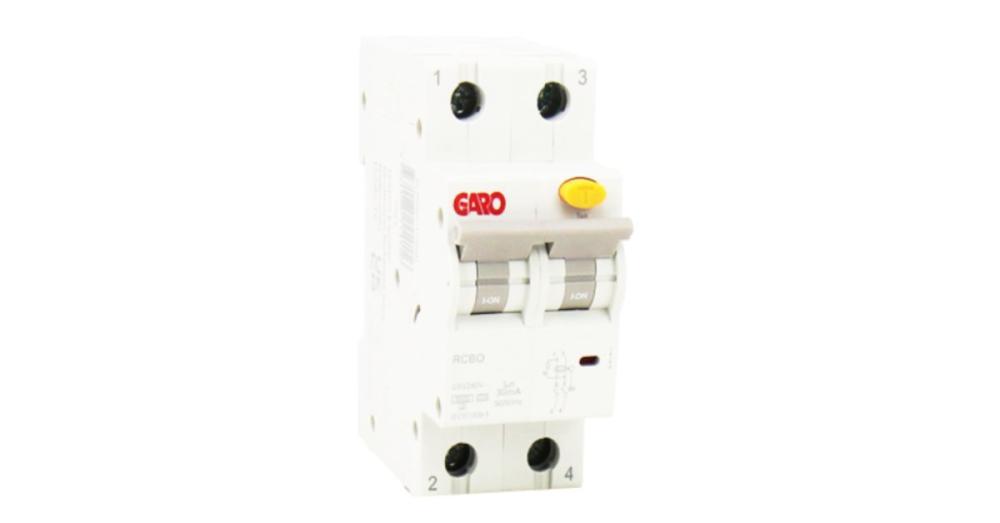
An RCBO efficiently combines the overload protection of an MCB alongside the life-saving shock protection of an RCD into one highly compact unit. Because every circuit has dedicated neutral and live protection, a fault on one circuit only trips that specific breaker. Plumbers and electricians no longer need to disconnect neutral wires across several circuits to hunt down a fault, saving valuable diagnostic time during expensive emergency callouts.
Eliminating Widespread Nuisance Tripping
Traditional boards rely heavily on multiple MCBs sharing a single RCD. A minor electrical leakage on one circuit kills power across the entire block. RCBOs are perfect in commercial or heavy-duty environments because they isolate minor leakages instantly, keeping critical infrastructure online and operational.
What Does SPD Readiness Mean Regarding 18th Edition Compliance?
Understanding Surge Protection Mandates
Electrical installers frequently ask - "When are surge protection devices legally required for commercial buildings in the UK?" Under the 18th Edition wiring regulations, SPDs must be installed where an overvoltage could result in serious injury, interruption of commercial activity, or damage to co-located individuals.
Fitting electrical distribution boards equipped to handle surge protection has become standard trade practice during board upgrades to safeguard expensive modern electronics against grid switching transients and indirect lightning strikes.
Type 2 SPDs Protecting Sub-Boards
Type 2 SPDs act as the standard choice for protecting consumer units. They clamp high voltage spikes down to a safe residual voltage to safeguard general lighting, power rings, and everyday household appliances.
How Much Expandability Do You Really Need in a Consumer Unit?
Factoring in Future High-Demand Loads
Property owners consistently add new power-hungry appliances year after year. Modern properties increasingly require dedicated circuits powering EV chargers, solar PV systems, and heat pumps. Electricians should always specify electrical distribution boards providing spare usable ways rather than filling a unit to absolute maximum capacity on day one.
Did You Know - Leaving at least twenty percent spare capacity inside your enclosure acts as one of the most effective ways to future-proof a property against new smart home technologies?
Managing Heat and Cable Congestion
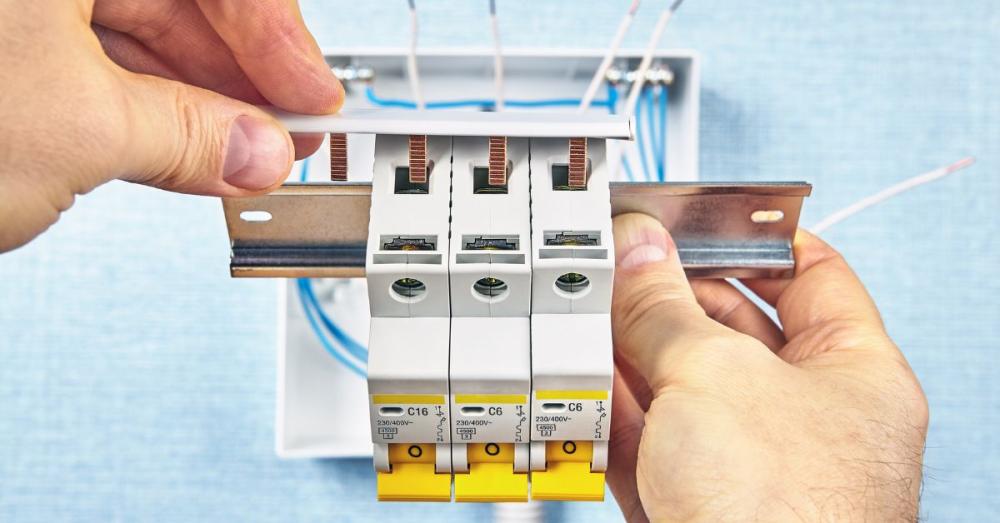
Opting to install a larger enclosure improves internal airflow, making the routing process significantly easier to terminate thick twin and earth cables without risking internal damage. Proper spatial management delivers several key advantages:
- Improved airflow drastically reduces internal heat buildup around heavily loaded breakers.
- Generous wiring space prevents accidental pinching affecting delicate cable insulation.
- Extra spare ways allow fast integration adding renewable technology at a later date.
Source - eFIXX
Why Are Clear Labelling Practices Crucial Regarding Electrical Safety?
Regulatory Requirements Regarding Clear Identification
Older properties can mix legacy and new colour systems, such as red/black versus brown/blue. Correct identification and labelling are absolutely essential to maintain safe work environments. Installers must remember that the board must display a clear warning label about mixed colours, provided both systems exist inside the property.
Simplifying Future Maintenance and Fault-Finding
Labelling the board clearly, alongside keeping test reports accessible, empowers homeowners to identify tripped circuits instantly. Clear visual guides make subsequent professional maintenance significantly faster and much safer.
Best RCBOs and Circuit Protection Devices at Meteor Electrical
To guarantee regulatory compliance and faster fault-finding, here are the top-tier circuit protection devices available at Meteor Electrical:
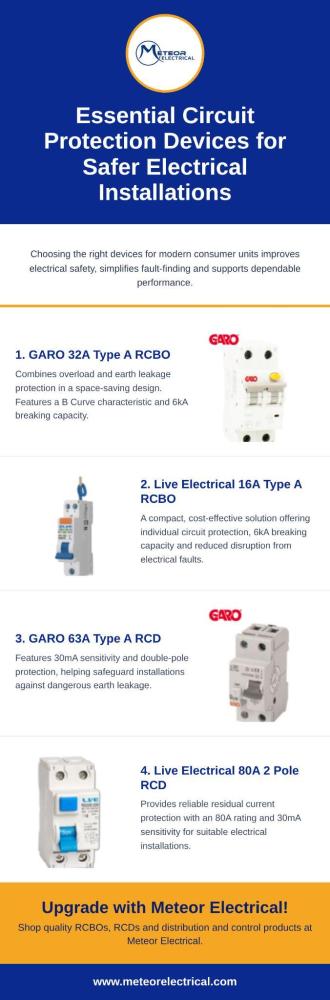
1. GARO 1 Pole + Neutral 32A B Curve 6kA Type A RCBO
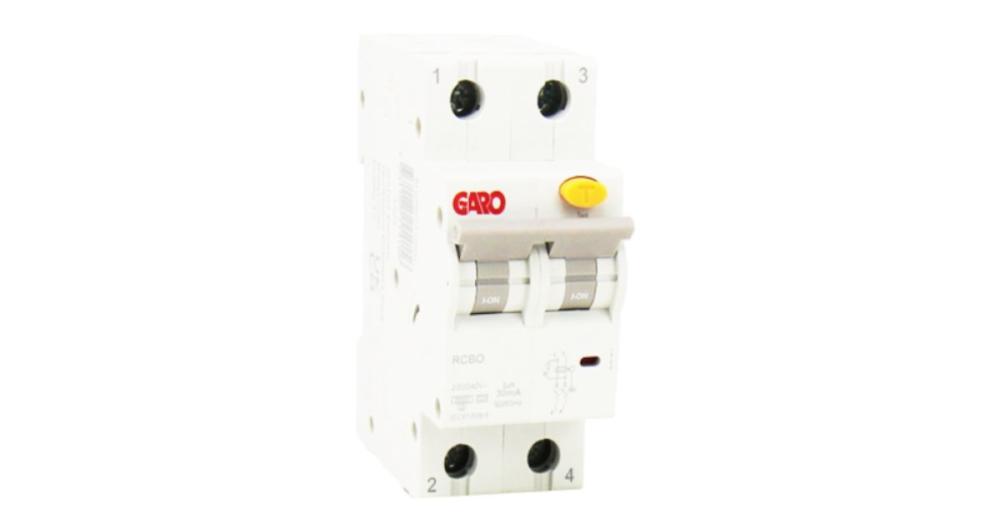
A premium, space-saving RCBO designed specifically targeting modern distribution boards. It offers highly responsive dual protection against overloads and earth leakage, making fault-finding on heavily loaded ring mains incredibly fast.
Key Features:
- 32 Amp rating
- B Curve tripping characteristic
- Type A earth fault detection
- 6kA breaking capacity
2. Live Electrical 16A B Curve 6kA Type A RCBO
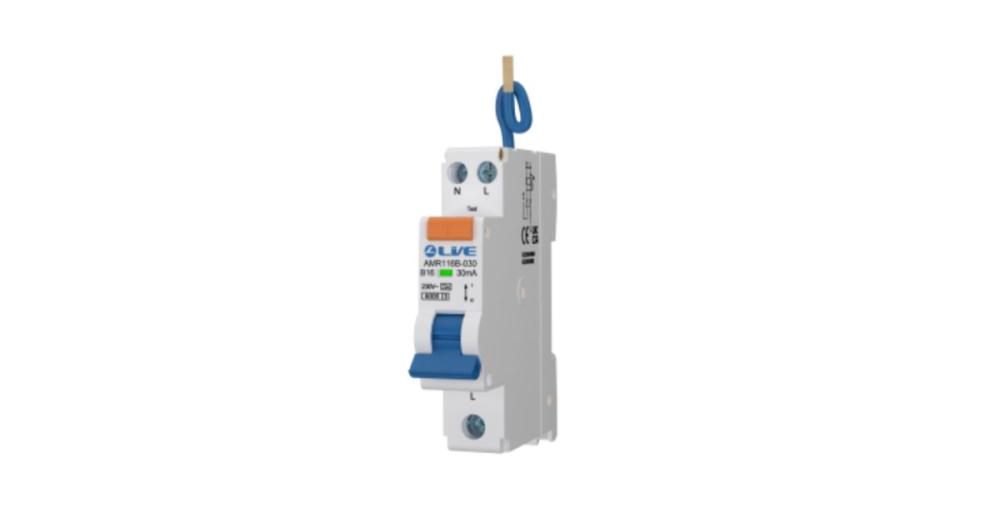
The perfect cost-effective solution built to safeguard lighting and standard radial circuits. The device isolates faults instantly to a single circuit, completely preventing nuisance tripping across the rest of the board.
Key Features:
- 16 Amp rating
- Type A protection
- Compact modular design
- 6kA short circuit capacity
Shop Live Electrical 16A Type A RCBO
3. GARO 63A 30mA 2 Pole Type A RCD
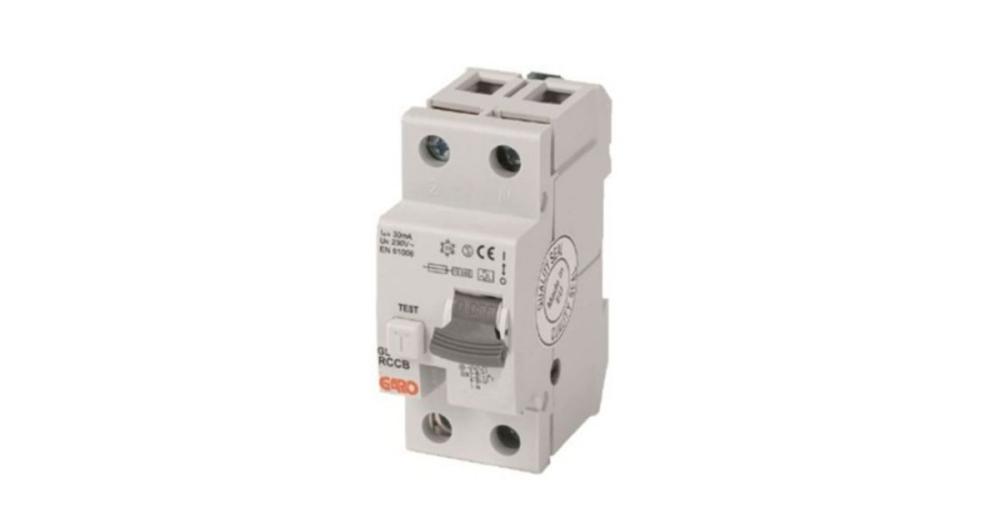
A heavy-duty residual current device tailored toward commercial split-load boards. It acts incredibly fast to monitor electrical flow and instantly shuts off power upon detecting life-threatening leakage.
Key Features:
- 63A current rating
- 30mA trip sensitivity
- 2 Pole configuration
- Type A detection tracking AC and pulsating DC currents
Shop GARO 63A 2 Pole Type A RCD
4. Live Electrical 80A 30mA 2 Pole RCD
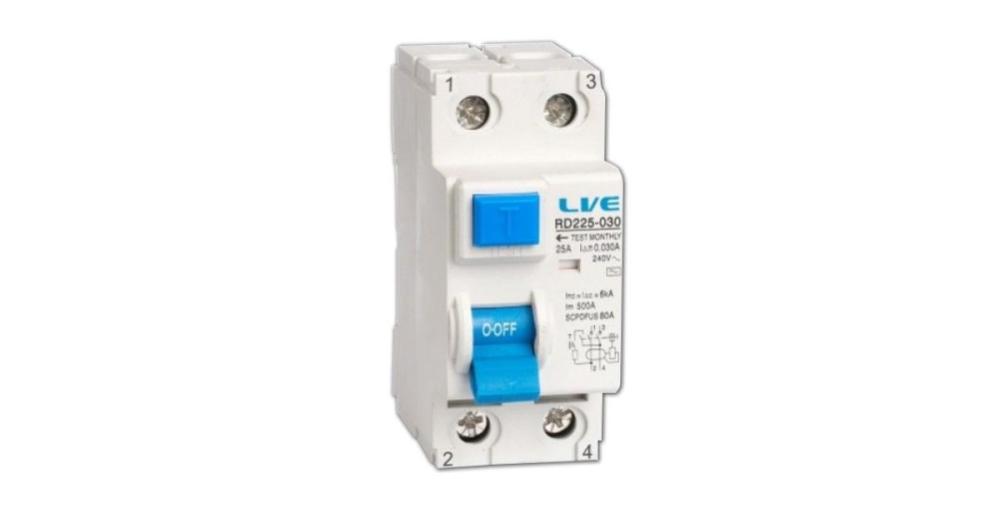
A staple component protecting domestic and commercial setups requiring a robust main switch RCD. Built to provide wide-scale shock protection across multiple integrated MCB circuits.
Key Features: 80 Amp rating, 30mA trip sensitivity, Double pole, highly durable internal mechanisms.
Shop Live Electrical 80A 2 Pole RCD
Key Takeaways
- Choose RCBOs for Individual Circuit Protection: RCBOs combine overload and residual current protection, allowing individual circuits to trip without disrupting power across the entire consumer unit.
- Prioritise SPD-Ready Consumer Units: Surge Protection Devices (SPDs) help protect electrical installations and sensitive equipment against transient overvoltages while supporting compliance with applicable 18th Edition wiring regulations.
- Plan for Future Electrical Expansion: Choose consumer units with sufficient spare ways to accommodate future installations, such as EV chargers, solar PV systems, and heat pumps.
- Allow Adequate Space for Safe Wiring: A suitably sized enclosure provides room for cable routing, easier installation, and effective thermal management, reducing overcrowding.
- Maintain Clear Circuit Labelling: Accurate circuit identification, appropriate warning labels, and accessible electrical test records improve safety and simplify future maintenance and fault-finding.
- Invest in Reliable Circuit Protection Devices: Selecting suitable RCBOs, RCDs, and MCBs from trusted suppliers such as Meteor Electrical supports electrical safety, dependable performance, and long-term maintenance efficiency
Secure Your Next Upgrade at Meteor Electrical!
Combining RCBO single-circuit isolation alongside SPD readiness, physical expandability, and clear labelling transforms a standard consumer unit into a future-proof, highly resilient power hub. Identifying the best consumer unit for home renovations or commercial overhauls requires selecting parts built to last.
Meteor Electrical operates as a leading wholesale electrical supplier across the UK and European markets serving electrical contractors and facilities managers. We stock a massive range of premium hardware, RCBOs, RCDs, and MCBs built prioritising ultimate safety.
Do not let electrical faults slow down your projects.
Shop our full range of circuit protection and distribution and control products online today to secure your site via rapid next-day delivery and trade-trusted quality!
Frequently Asked Questions (FAQs) About Consumer Units?
1) Why does fault-finding take longer on an RCD and MCB board?
Because an RCD protects multiple MCBs simultaneously, an earth fault on one circuit will trip the main RCD, forcing the electrician to manually disconnect neutral wires across several circuits to find the culprit.
2) How does an RCBO prevent nuisance tripping?
An RCBO isolates the live and neutral feeds powering one specific circuit, meaning should a piece of equipment leak current, only that single RCBO trips while the rest of the building's power remains unaffected.
3) Are surge protection devices mandatory inside UK homes?
Under 18th Edition rules, SPDs are required inside domestic properties unless the homeowner explicitly opts out in writing and accepts all liability regarding equipment damage.
4) What is the difference between Type AC and Type A RCBOs?
Type AC only detects alternating current faults, while Type A detects both AC and pulsating DC faults, which are legally required to protect modern electronics, EV chargers, and LED lighting.
5) How often should I test the RCBOs inside my board?
You should test your RCDs and RCBOs every three months checking the "test" button; should it fail to click off instantly, the internal mechanism is compromised and must be replaced immediately.